
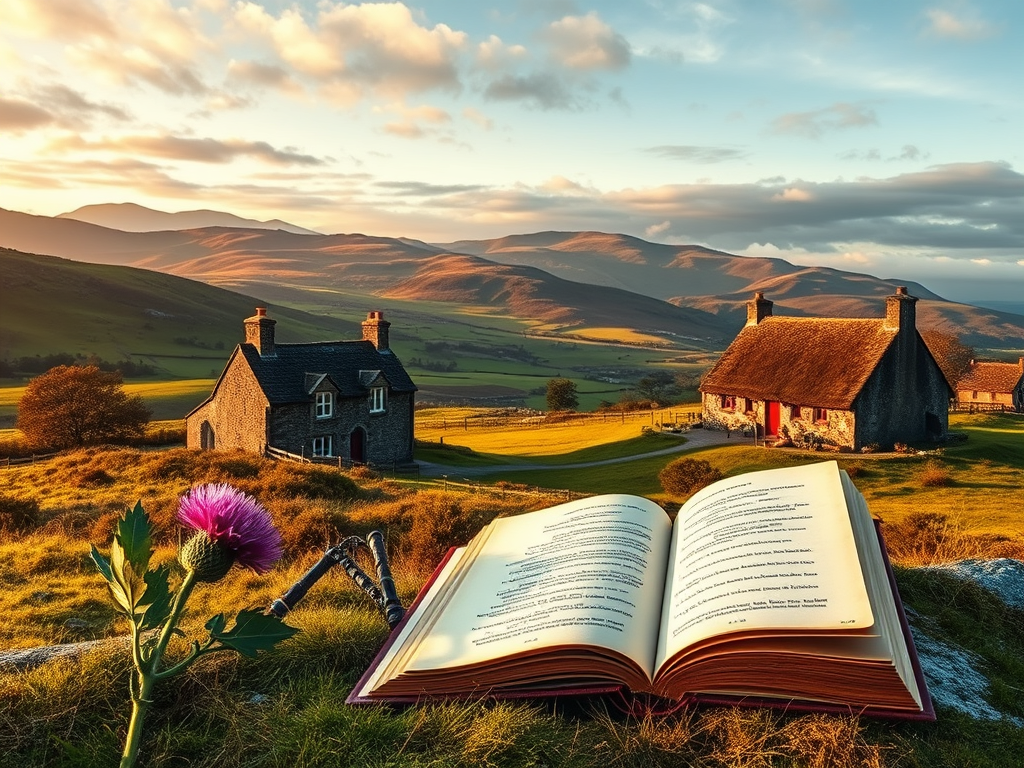
It’s not every day you see a Scotsman standing in front of his pals, passionately shouting at a haggis—but then again, it’s Burns Night!
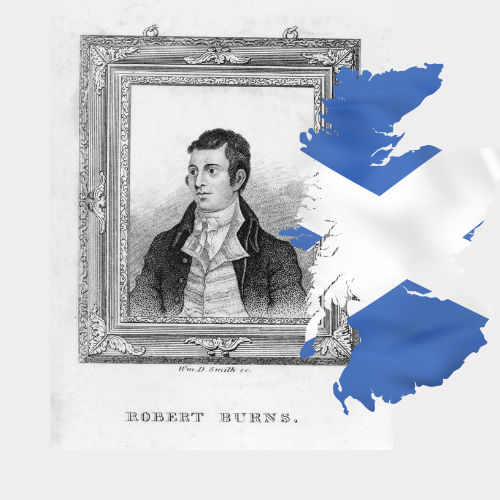
Robert Burns (1759 – 1796) is the national poet of Scotland. He was born on January 25 in a small cottage in Galloway, Ayrshire. His life works and poetry continue to inspire readers worldwide.
Today, I’m preparing for ‘Burns Night’ with a dram (whisky) and Haggis, neeps (turnip) and tatties (mashed potatoes). This is a traditional supper used to toast his ‘immortal memory’……
immortal memory
For those unfamiliar with the Burns jargon, it’s like a keynote speech. It honours his life, work, and contribution to the world as a whole.

Burns early challenges
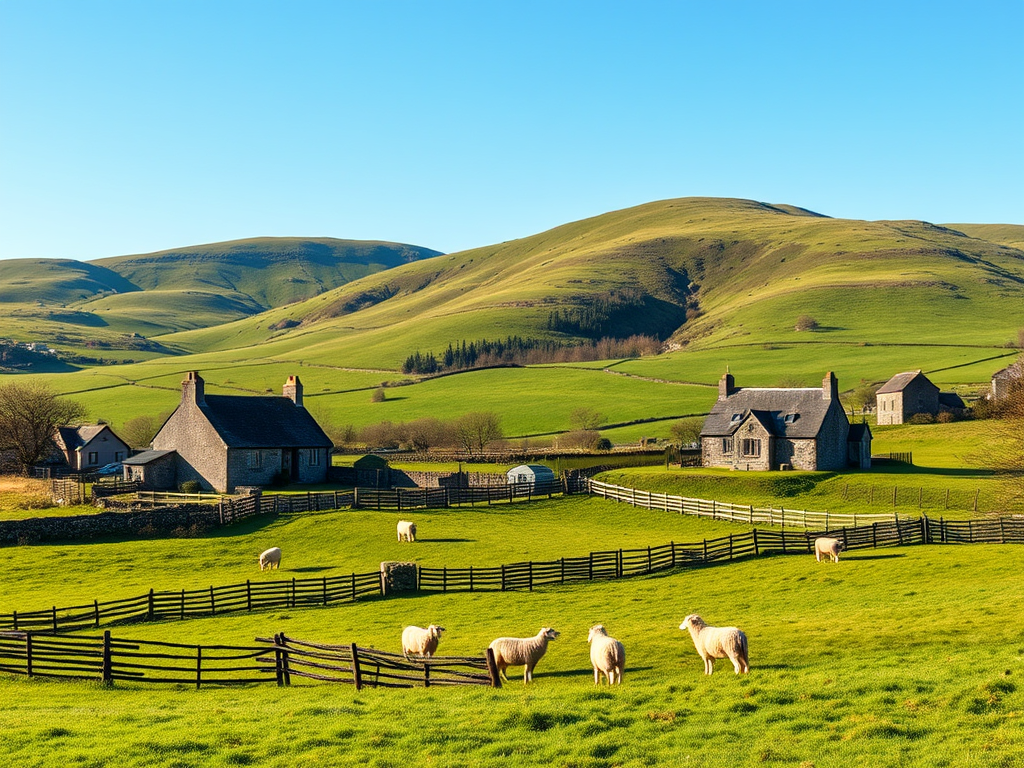
Burns was born into a farming family and faced a tough childhood growing up. Farmland was generally of poor quality in Scotland in the 18th Century.
Burns would have grown up in severe poverty and financial uncertainty. He would have survived on a limited diet: typically oatmeal and milk. Meat would have been too expensive.
Hard graft (work)
Farming was a physically demanding job, and he would have struggled with the ‘hard graft’ all through his youth. There would have been limited farming technologies in the 18th century.
Despite these challenges, he developed a love for literature and the arts early on. Influenced by Scottish folk music and the traditions of his community, Burns began writing poetry at an early age.
Burns poetry
Burns’s poetry largely draws upon themes of love, nature, and the challenges faced by people of his time.
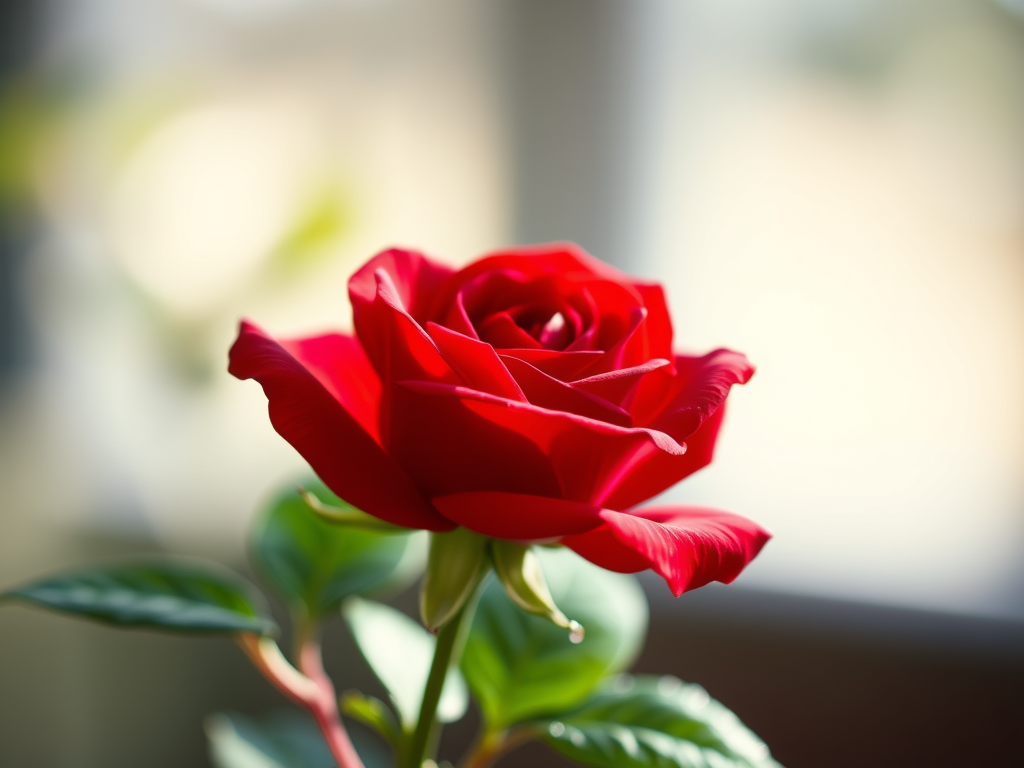
His most famous works include “Auld Lang Syne,” “To a Mouse,” and “My Love is Like a Red, Red Rose.” These works capture the essence of human emotions.
Burns used the Scottish dialect of the 18th Century to lend an authentic voice to his poetry. This allowed readers of that time to connect deeply with his stories.

Notable Achievements
Burns’ first notable achievement was the collection Poems, Chiefly in the Scottish Dialect
(Edinburgh Edition) published in 1787. (This features a range of poems and songs in the Scottish dialect.
This collection highlighted his unique style and thematic versatility. His ability to connect stories with vivid imagery and lyrical beauty has made him a timeless figure in literature.
Cultural Influence
Burns’ influence extends beyond literature. He is celebrated in Scottish culture and beyond. Burns Night is held Annually on January 25 to honour his life, work and legacy.
When I was at primary school in the 90’s, Burns Poetry competitions were part of the curriculum. I recited a couple of verses of “To a Mouse”. The audience was made up of children in a crowded school hall. “Terrifying stuff!…”
Robert Burns is one of the quintessential figures in Scottish culture. His unique ability to convey the National spirit of Scotland is truly amazing!
As we celebrate his life, let us continue to find inspiration in his poetry. It reminds us of the beauty in love, nature, and all things Scottish!
I have included the original Scottish version of ‘My love is like a red red rose.’ I have referenced this from the Scottish Poetry Library.
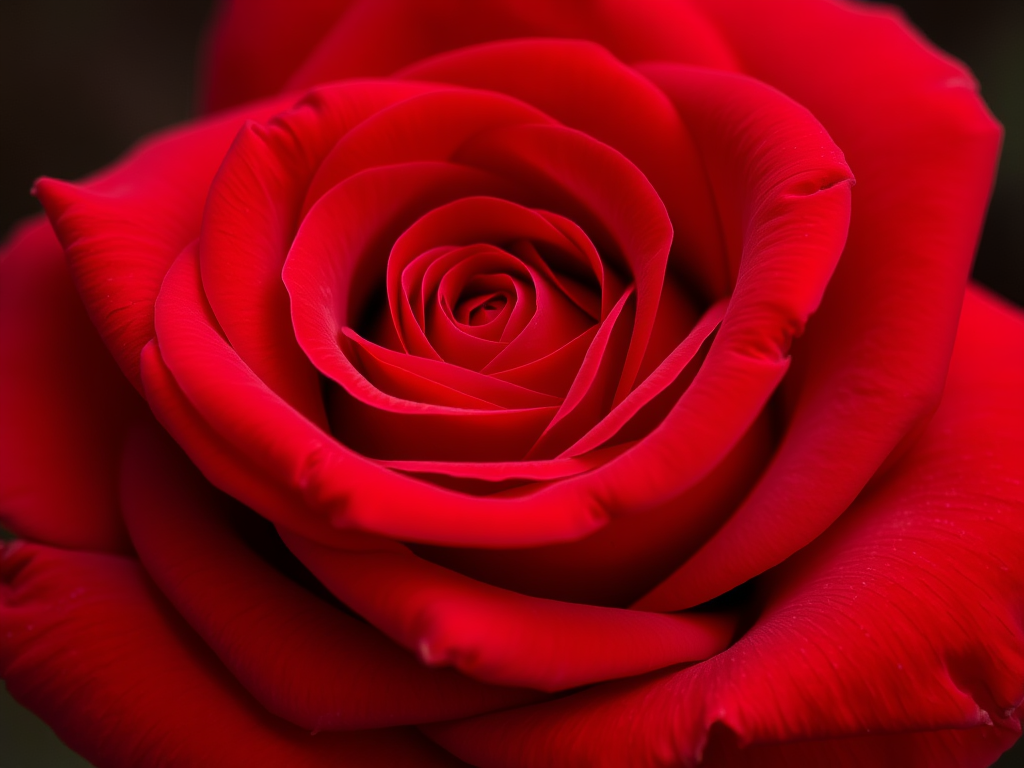
A Red, Red Rose
By Robert Burns


O my Luve’s like a red, red rose,
That’s newly sprung in June;
O my Luve’s like the melodie
That’s sweetly play’d in tune.

As fair are thou, my bonie lass,
So deep in luve am I;
And I will luve thee still, my Dear,
Till a’ the seas gang dry.

Till a’ the seas gang dry, my Dear,
And the rocks melt wi’ the sun:
I will luve thee still, my dear,
While the sands o’ life shall run.

And fare thee weel, my only Luve!
And fare thee weel, a while!
And I will come again, my Luve,
Tho’ it were ten thousand mile!

You must be logged in to post a comment.